
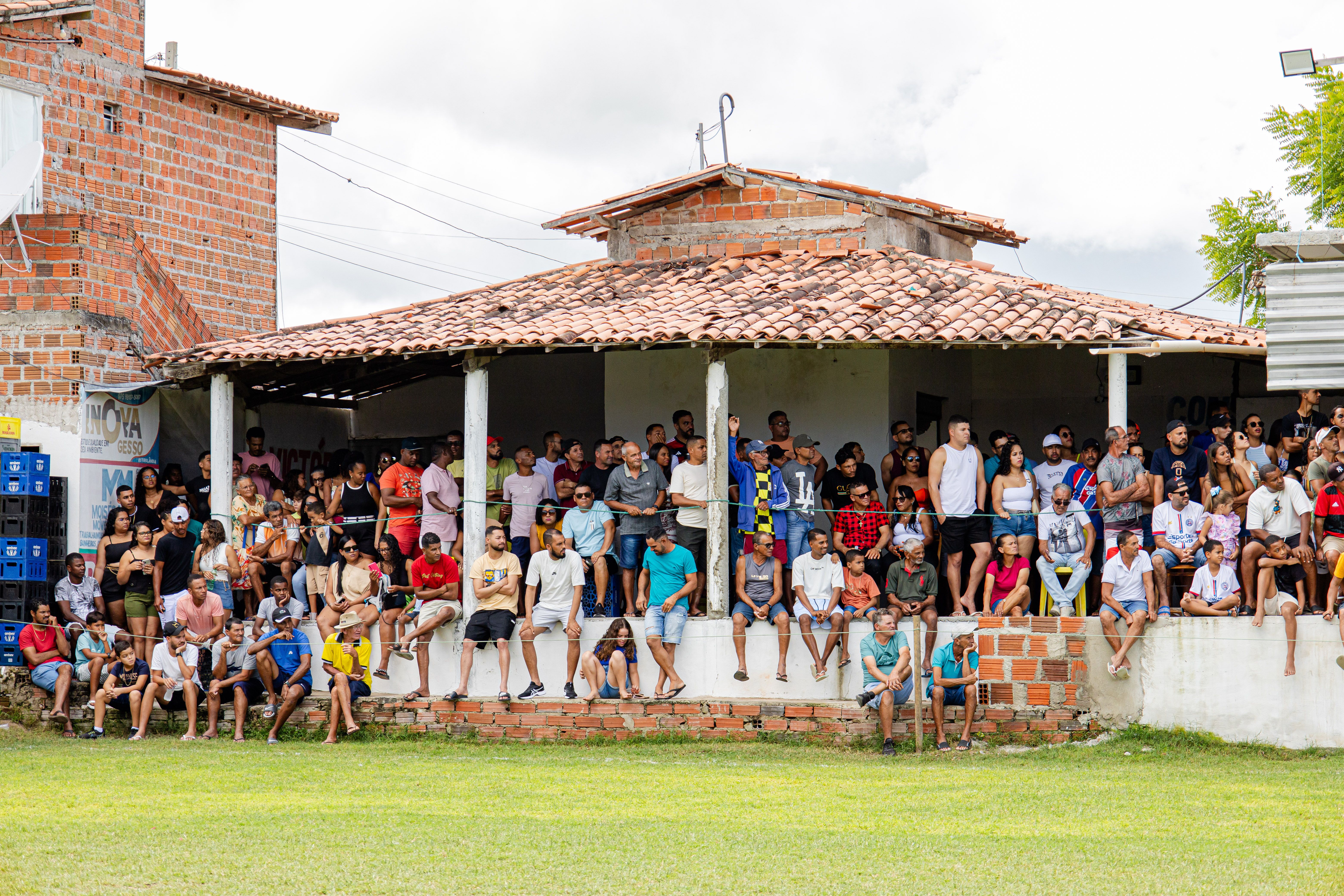
Tired of isolation and the rising cost of living? In 2026, intentional communities offer a revolutionary path to sustainable living, deep social connection, and enhanced well-being. This ultimate guide helps you navigate the burgeoning market of ecovillages, cohousing developments, and co-living spaces. Learn how to compare community membership models, understand investment opportunities, and book your ideal alternative lifestyle solution. Discover the future of communal living and find where you truly belong.
Introduction to the Topic
The year is 2026, and the world feels more interconnected yet paradoxically, more isolating than ever before. Urban sprawl, the relentless pace of digital life, and the escalating cost of living have many questioning the traditional path. Enter the resurgence and evolution of intentional communities – a powerful antidote to modern malaise, offering not just a place to live, but a way to thrive. From regenerative ecovillages nestled in nature to vibrant urban co-living hubs, these communities are redefining what it means to belong, to share, and to live sustainably.
No longer relegated to fringe movements, intentional communities are becoming a mainstream, attractive option for individuals and families seeking genuine connection, shared purpose, and a reduced ecological footprint. They represent a conscious choice to design a life rich in collaboration, mutual support, and environmental stewardship. For many, it's not just about finding a new home; it's about investing in a new future – a future where resources are shared, skills are exchanged, and well-being is prioritized. If you're comparing lifestyle solutions, exploring property investment alternatives, or simply yearning for a deeper sense of belonging, this guide is your comprehensive roadmap to understanding, comparing, and ultimately choosing the intentional community that perfectly aligns with your aspirations.
Backgrounds & Facts
The concept of communal living is as old as humanity itself, but its modern resurgence is driven by compelling contemporary factors. Post-pandemic shifts, climate anxiety, and a growing recognition of the mental health crisis have fueled a desire for more resilient, supportive living arrangements. Data from 2025 indicates a 40% increase in inquiries for intentional community living compared to five years prior, with significant growth in both rural and urban models.
Economically, intentional communities offer compelling advantages. By sharing resources like tools, vehicles, and common spaces, residents often experience a significant reduction in individual living expenses. Many communities prioritize local food production, reducing grocery bills and fostering food security. Environmentally, these communities are pioneers in sustainable practices, often featuring renewable energy systems, composting, water conservation, and permaculture design. This commitment to green living not only reduces environmental impact but also often leads to lower utility costs for members.
Socially, the benefits are profound. Intentional communities combat loneliness and foster a strong sense of belonging, providing a built-in support network. Studies show residents often report higher levels of life satisfaction and lower rates of anxiety and depression. This isn't just a trend; it's a movement towards a more conscious, connected, and sustainable way of life, attracting a diverse demographic from young professionals and digital nomads to families and active retirees. The market for community membership and related services, including consultation services for community design and integration, is booming, reflecting a genuine societal shift towards collective well-being.
Expert Opinion / Analysis
“We're witnessing a fundamental re-evaluation of the American Dream,” explains Dr. Elara Vance, a leading social futurist and author of 'The Connected Planet: Designing Tomorrow's Communities.' “The isolated suburban home is losing its luster for many. People are actively seeking environments that provide social capital, ecological integrity, and economic resilience. Intentional communities deliver on all three fronts.”
Dr. Vance emphasizes that the variety of community models is key to their growing appeal. “It's not a one-size-fits-all solution. Whether you're drawn to the deep ecological commitment of an ecovillage, the structured social fabric of a cohousing development, or the flexible, amenity-rich environment of an urban co-living space, there's a community designed for your specific needs and values. The market has matured, offering transparent membership fees, clear governance structures, and diverse property investment options, from shared equity to rental models.”
She also highlights the economic implications. “Beyond the initial investment in community shares or property, the long-term cost savings are substantial. Shared childcare, car-sharing programs, bulk purchasing, and communal meals all contribute to a more affordable and efficient lifestyle. Furthermore, the skills learned within these communities – from organic gardening to conflict resolution – are invaluable. This isn't just about finding a home; it's about investing in personal growth and a more resilient future.” Dr. Vance advises prospective members to thoroughly research each community's values, governance, and financial model before making a commitment, recommending dedicated community tours and trial visits to ensure a good fit.
💰 Best Options in Comparison (VERY IMPORTANT)
Choosing an intentional community is a significant decision, akin to selecting a new home or making a major lifestyle investment. The market is rich with diverse models, each offering unique benefits and requiring different levels of commitment. To help you make an informed choice, here's a breakdown of the leading types, focusing on what to compare when you're ready to book a tour, attend a visitor program, or explore membership options.
-
Ecovillages: Deep Sustainability & Rural Connection
Ecovillages are often rural, land-based communities focused on ecological regeneration, self-sufficiency, and sustainable living. They prioritize permaculture, renewable energy, and minimal environmental impact. Ideal for those seeking a profound connection to nature, hands-on learning, and a slower pace of life. Key considerations for buyers: land ownership models (individual, collective, land trust), required work contribution, focus on specific ecological practices, and the level of off-grid living. Many offer volunteer programs or visitor stays to experience life before full commitment.
-
Cohousing Developments: Private Homes, Shared Life
Cohousing communities consist of private homes clustered around extensive common facilities, such as a common house with a large kitchen, dining area, workshops, and guest rooms. Residents typically own their homes but share responsibility for maintaining common areas and participate in community governance. They blend private autonomy with intentional social interaction. Key considerations for buyers: location (often suburban/urban), ownership structure (condo, HOA), common facility amenities, and the community's decision-making process. Look for open house events and opportunities to meet current residents.
-
Co-living Spaces: Urban Flexibility & Amenity-Rich
Primarily found in urban centers, co-living spaces offer private bedrooms within larger shared apartments or buildings, featuring communal kitchens, lounges, co-working spaces, and often curated social events. They are popular among young professionals, digital nomads, and those seeking flexible, amenity-rich living without the commitment of traditional leases. Key considerations for buyers: rental vs. ownership models, included services (utilities, cleaning, internet), lease flexibility, and the demographics of current residents. Many offer seamless online booking platforms for short-term or long-term stays.
-
Permaculture & Community-Supported Agriculture (CSA) Farms: Food Security & Land Stewardship
These communities are centered around agricultural production, often utilizing permaculture principles. Members contribute labor, expertise, or financial investment in exchange for food, land access, and a deep connection to food systems. Ideal for those passionate about food security, regenerative agriculture, and contributing to local food economies. Key considerations for buyers: level of agricultural involvement required, land access arrangements, financial contribution models (e.g., CSA shares, farm work equity), and educational opportunities. Many offer farm tours and work-trade programs.
To help you compare, here's a table outlining key aspects:
| Feature | Ecovillages | Cohousing | Co-living Spaces | Permaculture Farms |
|---|---|---|---|---|
| Primary Focus | Ecological sustainability, self-sufficiency, deep connection to nature. | Community interaction, shared amenities, private home ownership. | Flexible urban living, convenience, social events, shared services. | Food production, land stewardship, regenerative agriculture. |
| Location Type | Predominantly rural, remote. | Urban, suburban, sometimes rural clusters. | Urban centers, high-density areas. | Rural, peri-urban land. |
| Cost Model / Investment | Land shares, collective ownership, sometimes individual land leases. Varying initial investment. | Individual home purchase (condo/townhouse), HOA fees for common areas. | Monthly rent (all-inclusive), flexible lease terms. | CSA shares, work-trade, land lease, or equity investment in farm. |
| Commitment Level | High – often requires significant contribution of time/labor, long-term focus. | Medium to High – active participation in governance and common tasks expected. | Low to Medium – typically rental agreements, less communal responsibility. | Medium to High – hands-on farm work or consistent financial contribution. |
| Typical Services/Amenities | Shared workshops, gardens, renewable energy systems, communal kitchens, natural building. | Common house (kitchen, dining), guest rooms, workshops, playgrounds, green spaces. | Furnished rooms, cleaning, utilities, high-speed internet, co-working spaces, social events. | Shared agricultural tools, processing facilities, communal meals, educational workshops. |
| Ideal For | Environmentalists, homesteaders, those seeking deep spiritual/ecological connection. | Families, professionals, retirees wanting community without sacrificing privacy. | Digital nomads, young professionals, students, those seeking flexibility and social life. | Aspiring farmers, foodies, those passionate about local food systems and land stewardship. |
When considering any option, always inquire about the community's governance model, conflict resolution processes, financial transparency, and visitor programs. Many communities offer trial periods, workshops, or short-term stays, which are excellent ways to gauge compatibility before committing to a significant community investment or long-term move. Don't hesitate to ask for references or connect with current residents through online forums dedicated to intentional communities.
Outlook & Trends
The landscape of intentional communities is set for continued innovation and growth in 2026 and beyond. We anticipate several key trends:
- Technological Integration: Expect smart community features, from shared electric vehicle fleets managed by AI to decentralized energy grids and advanced home automation, enhancing efficiency and sustainability.
- Hybrid Models: The lines between different community types will blur. We'll see more urban cohousing with strong permaculture elements, or rural ecovillages offering high-speed internet and co-working facilities to attract digital nomads.
- Accessible Entry Points: To broaden appeal, more communities will offer flexible membership tiers, rental options, and phased investment plans, making intentional living more accessible to diverse income levels.
- Focus on Health & Wellness: Communities will increasingly integrate dedicated wellness facilities, mental health support, and programs promoting holistic well-being, recognizing these as core components of a thriving collective.
- Policy & Investment: Governments and private investors are beginning to recognize the benefits of intentional communities, leading to more favorable zoning laws, grant opportunities, and specialized lending products for community development. This will further drive growth and professionalization in the sector.
The future of intentional communities is bright, promising not just alternative housing, but truly regenerative living models that address the pressing challenges of our time.
Conclusion
The yearning for connection, purpose, and a sustainable way of life is more potent than ever in 2026. Intentional communities offer a compelling, proven pathway to achieving these desires, providing diverse models that cater to a wide spectrum of needs and aspirations. Whether you envision yourself cultivating food in an ecovillage, sharing meals in a cohousing development, or networking in an urban co-living space, the options are plentiful and evolving.
This isn't merely a niche housing trend; it's a profound cultural shift towards collaborative, conscious living. By carefully comparing the various community models, understanding their investment structures, and engaging with existing members, you can find a place where your values are reflected and your life is enriched. Take the leap – explore the possibilities, book a tour, or attend a workshop. Your journey towards a more connected, sustainable, and fulfilling life in an intentional community starts now. It's time to invest in a future where you truly belong.